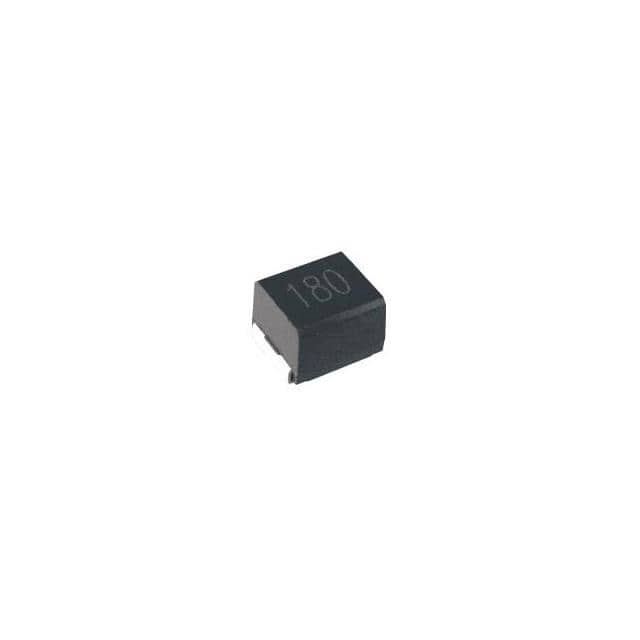
As we know, film capacitors , a type of electronic components , generically called film caps as well as power film capacitors, are electrical capacitors with an insulating plastic film as the dielectric, sometimes combined with paper as carrier of the electrodes, are a type of electronic component used in various applications, primarily in electrical circuits for energy storage and filtering purposes. They are known for their stability, reliability, and relatively low cost compared to other types of capacitors. Film capacitors are constructed using a thin plastic film as the dielectric material, which separates the two conductive plates, allowing the storage of electrical energy.
According to the latest updates, "Film Capacitor Market by product (AC and DC), Type (Paper Film Capacitor and Plastic Film Capacitor) and Industry Vertical (Automotive, Power and Utilities, Consumer Electronics, Telecommunication, and Others): Global Opportunity Analysis and Industry Forecast, 2019-2026". Leading market players in film capacitor market have adopted various strategies including expansions, mergers & acquisitions, joint ventures, new product launches, and collaborations to gain a strong position in the industry.
With the rapid rise of emerging application fields such as photovoltaic wind power, new energy, and industrial control, China's thin film capacitor market is expected to enter a period of rapid growth again. From 2010 to 2019, the composite annual growth rate of the market size of China's thin film capacitor industry was 13%, which was in a stable growth period.
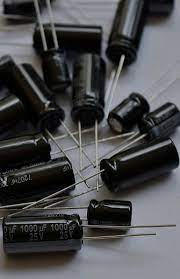
This study is a perfect mix of qualitative and quantitative information highlighting key market developments, challenges that industry and competition is facing along with gap analysis and new opportunity available and may trend in film capacitor market. The report bridges the historical data from 2014 to 2019 and forecasted till 2031, product outline, the organization's required raw materials, and others growth factors.
This study comprises analytical depiction of the film capacitor market trends with current trends and future estimations to depict the imminent investment pockets. Also, the overall potential is determined to understand the profitable trends to gain a stronger foothold in the film capacitor market.
Here are some key points about film capacitors:
Dielectric Material: Film capacitors use plastic films as the dielectric material. Common materials include polyester (PE), polypropylene (PP), polycarbonate (PC), polyethylene terephthalate (PET) and Metalized Film Capacitors. These materials have excellent insulating properties and can withstand high voltages.
Types of Film Capacitors: There are several types of film capacitors, including:
Polyester Film Capacitors: These are cost-effective and suitable for applications with lower voltage and frequency requirements.
Polypropylene Film Capacitors: Known for their stability and low losses, they are used in precision applications such as audio equipment and filters.
Polycarbonate Film Capacitors: They offer good stability and are often used in applications requiring precise timing.
Metalized Film Capacitors: These capacitors have a metalized film, which eliminates the need for a separate metal foil electrode. They are compact and commonly used in AC applications.
Applications: Film capacitors are used in various applications, including:
Power Electronics: Used for smoothing and filtering in power supply circuits.
Audio Equipment: Film capacitors are often used in audio crossovers, amplifiers, and speaker systems.
Timing Circuits: Their stability makes them suitable for applications requiring accurate timing, such as oscillator circuits.
Snubber Circuits: Used to suppress voltage spikes in power electronics circuits.
Voltage Ratings: Film capacitors come in a wide range of voltage ratings, making them suitable for both low-voltage and high-voltage applications.
Capacitance Values: The capacitance values of film capacitors can vary widely, from picofarads to microfarads, allowing for flexibility in circuit design.
It's important to choose the right type of capacitor for your specific application, considering factors such as voltage requirements, frequency, temperature, and capacitance value.
Film capacitors offer several benefits that make them a popular choice in various electronic applications. Here are some of the key advantages of film capacitors:
High Dielectric Strength: Film capacitors have a high dielectric strength, which means they can withstand relatively high voltage levels without breaking down. This makes them suitable for applications that require voltage handling capability.
Low Dielectric Losses: Film capacitors typically have low dielectric losses, meaning they can store and release electrical energy efficiently. This characteristic is essential in applications where energy efficiency is a priority.
High Insulation Resistance: Film capacitors have high insulation resistance, which helps prevent current leakage. This is crucial in circuits where isolation and minimal leakage are required.
Stability: Film capacitors exhibit excellent capacitance stability over time and under different environmental conditions, including temperature and humidity variations. This makes them suitable for precision applications.
Self-Healing: Many film capacitors, particularly metallized film capacitors, have a self-healing property. If a small puncture or defect occurs in the dielectric, the capacitor can repair itself by forming a new insulating layer over the damaged area. This self-healing feature enhances the capacitor's reliability.
Wide Operating Temperature Range: Film capacitors can operate effectively across a broad temperature range, making them suitable for applications exposed to extreme temperatures.
Long Lifespan: Film capacitors typically have a long operational lifespan, often exceeding that of other capacitor types. This longevity contributes to their cost-effectiveness in many applications.
Low Equivalent Series Resistance (ESR): Film capacitors typically have a low ESR, which means they have minimal resistance to the flow of AC signals. This makes them ideal for applications where low impedance is essential, such as in power electronics.
Low Inductance: Film capacitors generally exhibit low parasitic inductance, which is beneficial in high-frequency applications where minimizing inductance is crucial.
Safety: Film capacitors are considered safer than some other capacitor types because they are less likely to fail catastrophically. They often fail in an open-circuit manner rather than a short circuit, reducing the risk of damage to surrounding components or electrical hazards.
Versatility: Film capacitors come in various types and can be tailored to specific application requirements by selecting the appropriate dielectric material, capacitance value, and voltage rating.
Due to these advantages, film capacitors find use in a wide range of applications, including power supplies, audio equipment, motor drives, lighting, filters, and more. Their reliability, stability, and efficiency make them a popular choice in the electronics industry.
KUKE insists on supplying only original electronic components, especially capacitors and connectors. Our quality management starts from the procurement process, strictly selecting our reliable supply partners. Only high-standard original factories or their authorized distributors can be the partner of our strict supply chain, to ensure that our components are 100% brand new, original and authentic.

 English