The throttle position sensor (TPS) is one of the most important sensors in the automotive electronic control system. It is a device used to detect the engine status. As the power unit of the car, the engine converts the heat energy generated by fuel combustion into mechanical energy and drives the car through the chassis. Therefore, the normal operation of the engine can ensure safe driving, so the daily inspection and maintenance of the throttle position sensor is particularly important. Here are the key points you need to know about how to test the throttle position sensor.
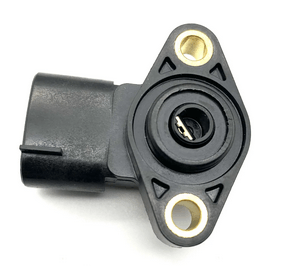
Throttle Position Sensor Basic
What is the Purpose of a Throttle Position Sensor?
The throttle valve is a mechanism that controls the amount of air entering the engine, and by extension, the engine's power output. Key functions of a throttle position sensor include:
1. Position Sensing:
The TPS detects the angle of the throttle plate (whether it's open or closed) and sends this data to the ECU/PCM.
2. Engine Management:
Based on the throttle position data received from the TPS, the ECU/PCM adjusts fuel delivery and ignition timing to optimize engine performance, fuel efficiency, and emissions.
3. Driveability:
Proper functioning of the TPS ensures smooth acceleration and deceleration, as it directly influences throttle response.
4. Diagnostic Function:
In case of malfunction or incorrect readings from the TPS, modern vehicles' onboard diagnostics systems can detect issues and trigger a warning light (like the Check Engine Light) to alert the driver.
Throttle Position Sensor Location
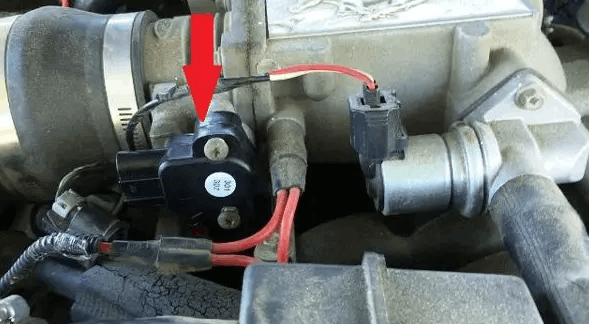
The TPS is typically mounted on the throttle body (a part of the engine's intake system) and consists of a sensor that produces a voltage signal to the engine control unit (ECU) or powertrain control module (PCM) based on the throttle valve's position.
To find the TPS on a car, you would generally follow these steps:
1) Locate the air intake system: Start by finding the air filter box, which is often found near the front of the engine compartment.
2) Follow the air flow: Trace the path of the air intake tube from the air filter box towards the engine. This tube will lead you to the throttle body.
3) Identify the throttle body: The throttle body is a cylindrical or rectangular component that often has a cable (throttle cable) attached to it if it's not a drive-by-wire system.
4) Find the TPS: Once you've identified the throttle body, look for the TPS. It is usually a small, rectangular device attached to the side of the throttle body. It may have a bracket or be screwed directly into the throttle body.
7 Symptoms Of a Bad Throttle Position Sensor
A bad throttle position sensor (TPS) can cause several symptoms that may affect the vehicle's drivability and performance. Here are some common symptoms of aa faulty TPS:
1. Poor Acceleration
If the TPS is not functioning correctly, the engine may hesitate or stumble during acceleration. This could feel like a lack of power or jerking motion when trying to speed up.
2. Rough Idling
A malfunctioning TPS can cause the engine to idle erratically. You may notice the engine RPM fluctuating, or the idle speed being higher or lower than usual.
3. Stalling
In some cases, a bad TPS can cause the engine to stall when idling or coming to a stop. This is because the incorrect throttle position data can lead to improper fuel and air mixture.
4. Poor Fuel Economy
Since the TPS helps the engine control module (ECM) determine the optimal air-fuel mixture, a faulty sensor can result in poor fuel efficiency as the mixture may be incorrect.
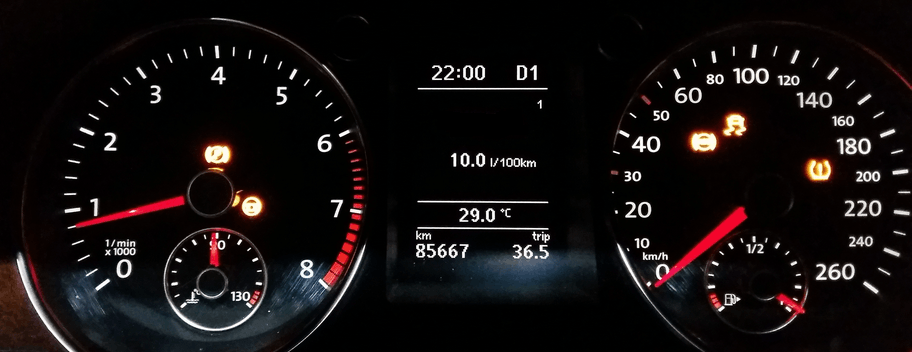
5. Check Engine Light (CEL)
A malfunctioning TPS often triggers the check engine light on the dashboard. This is usually accompanied by a diagnostic trouble code (DTC) related to the TPS, such as P0120 to P0124 (depending on the specific issue).
6. Difficulty Changing Gears:
On vehicles with automatic transmissions, a bad TPS can cause erratic shifting patterns or difficulty shifting gears smoothly.
7. Cruise Control Malfunction
Since the cruise control system relies on input from the TPS, a faulty sensor can cause the cruise control to operate erratically or not engage at all.
Test and Reset a Throttle Position Sensor
How to Test a Throttle Position Sensor?
Testing a throttle position sensor (TPS) typically involves the following methods:
Visual Inspection
1. Locate the TPS: Find the TPS on the throttle body. It's usually a small, black plastic device with electrical connectors.
2. Check for Damage: Look for any signs of damage, corrosion, or wear on the TPS and its connectors.
3. Inspect Wiring: Ensure that the wiring to the TPS is intact and not damaged.
Voltage Testing
1. Consult the Repair Manual
Before starting, refer to the vehicle's repair manual for the specific voltage specifications and resistance values for the TPS.
2. Disconnect the TPS
Carefully disconnect the electrical connector from the TPS.
3. Set Up the Multimeter
Use a digital multimeter set to measure DC voltage.
4. Test Voltage
With the ignition on (but the engine off), back-probe the TPS connector to measure the voltage between the signal wire and the ground wire. You should see a reference voltage, often around 5 volts, depending on the vehicle.
5. Check Voltage at Different Throttle Positions
Have an assistant slowly open and close the throttle while you monitor the voltage. The voltage should change smoothly as the throttle position changes.
6. Test Resistance
Set the multimeter to measure resistance (ohms). Test the resistance across the TPS terminals as specified in the repair manual. The resistance should change as the throttle is moved.
Check for Smooth Transition
The voltage reading should change steadily and smoothly with throttle movement. Any erratic readings or sudden jumps can indicate a faulty TPS.
Inspect for Dead Spots
Occasionally, TPSs can have dead spots where no change in voltage occurs when moving the throttle. Move the throttle slowly through its entire range and note if there are any spots where the voltage remains unchanged.
Compare Readings
Compare your voltage readings with the specifications provided in your vehicle’s service manual. If the readings are outside the specified range or inconsistent, the TPS may need to be replaced.
How do I Reset the Throttle Position Sensor?
Resetting a throttle position sensor (TPS) typically involves clearing any trouble codes that may have been stored in the vehicle's computer and then allowing the sensor to relearn its settings. Here's a general guide on how to reset a TPS:
Step 1: Clear Trouble Codes
1. Use a Diagnostic Scan Tool: Connect a compatible OBD-II scan tool to the vehicle's diagnostic port, which is usually located under the dashboard.
2. Read Codes: Turn on the ignition (do not start the engine) and use the scan tool to read any diagnostic trouble codes (DTCs) that are present.
3. Clear Codes: If there are any TPS-related codes, use the scan tool to clear them. This will reset the check engine light and any stored data related to the TPS.
Step 2: Perform a Throttle Body Relearn Procedure
Some vehicles require a throttle body relearn procedure after clearing the TPS codes. This process allows the vehicle's computer to reset the throttle position sensor values. The exact procedure can vary depending on the make and model of the vehicle, so it's important to consult the vehicle's service manual or manufacturer's instructions. Here's a general outline of the process:
1. Turn the Ignition On: With the engine off, turn the ignition switch to the "On" position.
2. Wait: Leave the ignition in the "On" position for a specified amount of time (this can range from 20 to 60 seconds, depending on the vehicle). This step allows the vehicle's computer to initialize and prepare for the relearn process.
3. Turn the Ignition Off: After the waiting period, turn the ignition off and wait for a few seconds.
4. Start the Engine: Now, start the engine and let it idle for a few minutes. Avoid touching the throttle or revving the engine during this time.
5. Drive the Vehicle: Take the vehicle for a test drive to allow the computer to relearn the throttle positions under various driving conditions.
Step 3: Monitor Performance
After resetting the TPS, monitor the vehicle's performance to ensure that the issue has been resolved. Look for smooth idling, proper acceleration, and no check engine light. If the problem persists or the check engine light comes back on, there may be a more serious issue that needs to be diagnosed by a professional mechanic.
Important Notes
1. Not all vehicles require a throttle body relearn procedure. Some may automatically relearn the TPS values after the codes have been cleared.
2. Always refer to the vehicle's specific service manual for the correct reset procedure, as steps can vary significantly between different makes and models.
3. If you're not comfortable performing these steps or don't have access to a diagnostic scan tool, it's best to seek assistance from a professional mechanic.
Remember that resetting the TPS will not solve underlying issues if the sensor itself is faulty or if there are other problems with the throttle body or related components. If resetting the TPS does not resolve the issue, further diagnosis and repair may be necessary.
Can a Car Run without a Throttle Position Sensor?
A car can technically run without a throttle position sensor (TPS), but its performance will be significantly compromised, and it may not be safe to drive. Here’s why:
Limited Operation:
Without a functioning TPS, the engine control module (ECM) or powertrain control module (PCM) cannot accurately determine the position of the throttle. This means the ECM/PCM would operate the engine in a default mode, often referred to as "limp mode" or "fail-safe mode." In this mode, the engine operates with predetermined settings that allow it to run, albeit with significantly reduced performance and efficiency.
Performance Issues:
Running without a TPS typically results in poor engine performance. The ECM/PCM may not be able to adjust the air-fuel mixture and ignition timing optimally, leading to rough idling, hesitation during acceleration, and reduced power output. This can make driving the vehicle challenging and potentially unsafe, especially in traffic or on highways.
Fuel Efficiency:
Since the ECM/PCM cannot adjust the fuel delivery based on throttle position feedback, fuel economy is likely to suffer. The engine may end up running richer or leaner than necessary, leading to increased fuel consumption and potentially higher emissions.
Diagnostic Trouble Codes (DTCs):
Operating without a TPS will usually trigger a check engine light (CEL) or other warning lights on the dashboard. This alerts the driver that there is a malfunction in the throttle system, prompting them to have the vehicle inspected and repaired.
Conclusion
Throttle position sensor can be used to adjust the engine intake manifold accordingly. It is essential to a correct mixture of air and fuel. Thus it is important to your engine control module and helps keep your idling and acceleration smooth. When a TPS goes bad, then the car's throttle body won't function properly. So if you know the above mentioned points, you can avoid engine failures or solve them quickly.
You May Also Like:
8 Key Sensor Technologies for Car Driving Systems
What is the Use of Sensors in Mobile Phones?
Infrared Sensor: Basic Principle, Classifications, Applications

 English