The purge valve is part of the Evaporative Emission Control System (EVAP), which is designed to prevent fuel vapors from entering the atmosphere after the engine has been turned off. When there is a noticeable gasoline smell inside the vehicle, or if the car accelerates weakly and stalls easily, it is often mentioned when analyzing the cause of the problem. What exactly is this device? What is its function? Where is it located in the car? And what faults are related to it? Here, KUKE will provide a detailed introduction to these aspects.
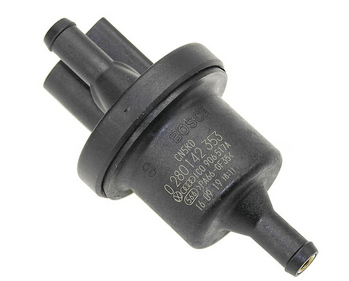
Purge Valve Basic
What Is Purge Valve in A Car?
The canister purge valve, as the most critical component in the EVAP system, is responsible for collecting and storing gasoline vapors. It is typically installed between the fuel tank and the engine intake manifold. It is important to note that the appearance of the carbon canister solenoid valve varies among different vehicle models. The automobile's activated carbon canister is usually designed as a long, box-shaped container.
Here this box has an inlet and an outlet, which are generally located on the same side. Inside the canister purge valve, there are two or three chambers designed to increase the path that the fuel vapors travel through, thereby improving the efficiency of adsorption and desorption. The chambers are filled with granular activated carbon, which is specially processed to be particularly effective at adsorbing fuel vapor molecules. Further more, the inlet of the purge valve is connected to the fuel tank's vapor line, and the outlet is fitted with a solenoid valve that connects to the engine intake manifold.
Regarding the structure of the purge valve, its outer shell is usually made of plastic, filled with activated carbon granules that can adsorb vapors. The top is also equipped with a purge control valve to regulate the amount of gasoline vapor and air entering the intake manifold, as well as a filter screen to purify the gasoline vapors.
How Does A Purge Valve Work?
The purge valve, also known as the canister purge valve or solenoid, is a component of a car's evaporative emission control system (EVAP). Its primary function is to prevent fuel vapors from escaping into the atmosphere, which helps reduce emissions and contributes to a cleaner environment.
Here's how the purge valve works:
1. Fuel Vapor Collection: As gasoline evaporates in the fuel tank, the vapors are absorbed by a charcoal canister. This canister is designed to store the fuel vapors until they can be purged in a controlled manner.
2. Purge Process: When the engine is running and warm, the vehicle's onboard computer (PCM or ECM) sends a signal to open the purge valve. This typically occurs during specific driving conditions when the engine is under load and can efficiently burn the extra fuel.
3. Vapor Release: Once the purge valve opens, it allows the stored fuel vapors to be drawn out of the charcoal canister. The vapors are then routed through the purge valve and into the intake manifold of the engine.
4. Combustion: Inside the intake manifold, the fuel vapors mix with the air that is being drawn into the engine's cylinders. This mixture is then ignited by the spark plugs during the normal combustion process.
5. Emission Reduction: By burning the fuel vapors in the engine, the EVAP system prevents them from being released into the atmosphere. This reduces hydrocarbon emissions, which are a significant component of smog and other air pollutants.
6. Valve Closure: When the engine is not running or when the PCM determines that it's not an appropriate time to purge the vapors (such as when the engine is cold or the vehicle is refueling), the purge valve remains closed to prevent fuel vapors from entering the engine.
The purge valve is typically an electrically operated solenoid, which means it uses an electric current to control the flow of fuel vapors. If the purge valve fails or becomes stuck open or closed, it can lead to poor vehicle performance, fuel economy issues, and increased emissions. A malfunctioning purge valve may also trigger the check engine light and result in a diagnostic trouble code (DTC) being stored in the vehicle's computer.
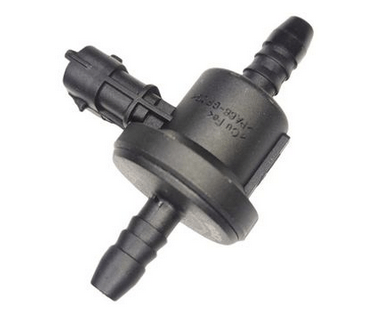
What Are Fault Symptoms of a Purge Valve?
Common Symptoms of A Bad Purge Valve
1. Gasoline Smell Inside the Car
If there is a strong gasoline smell inside the car when accelerating, pay special attention to whether there is any damage to the purge valve in EVAP system. Gasoline vapors can escape directly into the air through damaged areas, causing a strong smelling inside the car. If the canister purge valve is leaking oil at this time, allowing air instead of fuel vapor to enter the engine intake tract, it will inevitably lead to the engine's combustible mixture being too lean, resulting in intermittent stalling.
2. Unstable Engine Idle and Weak Acceleration
After the engine starts, the idle speed fluctuates regularly and the car accelerates weakly, pay attention to whether it is caused by the blockage of the air inlet and filter screen of the canister purge valve. In this case, it is difficult for outside air to enter the canister, and the canister lacks fresh air. During idle, under the action of intake vacuum suction, the gasoline vapor adsorbed in the activated carbon canister is sucked into the intake manifold, causing the oxygen sensor to detect an overly rich mixture. As a result, the engine control unit reduces the amount of fuel injected, and the concentration of the combustible mixture decreases, leading to a lower idle speed. Subsequently, due to the reduced fuel injection, the oxygen sensor detects a lean mixture in the next cycle, prompting the computer to increase the fuel injection amount, leading to a higher idle speed. This results in a regular fluctuation of the idle speed. Therefore, when this situation occurs, it is necessary to promptly check whether the air inlet of the charcoal canister is unobstructed.
3. Engine Stalling or Difficulty Starting
If the purge valve solenoid valve remains closed, the gasoline vapors inside the canister will accumulate and eventually fill it. The excess vapors will then escape into the air, polluting the environment and wasting fuel. Conversely, if the solenoid valve remains open, the air-fuel mixture in the engine's intake manifold will continuously be enriched. Since the engine control unit has not yet initiated the operation of the purge valve, it will not send a command to reduce fuel injection. This can lead to an overly rich mixture when the engine is warm, causing it to stall and making it difficult to restart afterward.
4. Overfilling or Rapid Fueling
Be cautious not to overfill the tank when refueling. Remember to slow down as you approach the full mark. Overfilling can cause gasoline to enter the canister purge valve system, which not only poses a risk to the canister itself but can also lead to liquid fuel flowing into the intake manifold, flooding the spark plugs, and resulting in the vehicle stalling upon refueling, potentially leading to a complete inability to start. If fueling is done too quickly, the expanding vapors combined with the gases pushed out by the gasoline may not have time to dissipate, resulting in a fuel surge.
5. Negative Pressure in the Oil Tank
If the purge valve remains open, it will allow the oil tank to be directly connected to the intake manifold. The suction force generated by the engine during operation can cause negative pressure to build up inside the oil tank, potentially leading to deformation of the tank or even damage to the oil pump.
6. Abnormal Conditions of Air Intake
Upon inspecting the air intake of the canister purge valve, gasoline vapor leakage or dripping oil is detected, this could also indicate that the solenoid valve has been damaged.
What Causes A Purge Valve to Go Bad?
When a purge valve goes bad, it can lead to various issues, including check engine light illumination, fuel efficiency problems, and emissions failures. Several factors can cause a purge valve to fail:
1. Age and Wear: Over time, the purge valve can simply wear out due to normal use. The mechanical parts inside the valve can become less responsive or fail to operate correctly.
2. Dirt and Debris: The valve can become clogged with dirt, debris, or even rust, preventing it from opening or closing properly. This can restrict the flow of fuel vapors or allow them to escape uncontrollably.
3. Faulty Electrical Connections: The purge valve is controlled by the engine control unit (ECU) via electrical signals. Corrosion or damage to the electrical connectors or wiring can lead to intermittent or complete failure of the valve.
4. Stuck Open or Closed: The valve can become stuck in the open or closed position. If stuck open, it can allow fuel vapors to enter the engine at inappropriate times, potentially causing rough idling or stalling. If stuck closed, it can prevent vapors from being purged, leading to pressure buildup in the EVAP system.
5. Exposure to Harsh Conditions: Extreme temperatures, moisture, and road salt can accelerate the deterioration of the valve's components, leading to premature failure.
6. Faulty Design or Manufacturing Defects: In some cases, the purge valve may be prone to failure due to design flaws or manufacturing defects. This can lead to a higher rate of failure across a specific make or model.
7. Software Issues: Sometimes, the problem might not be with the purge valve itself but with the software controlling it. Faulty programming or calibration in the ECU can cause the valve to operate incorrectly.
When diagnosing a bad purge valve, it's important to consider these potential causes. A mechanic might use a scan tool to check for diagnostic trouble codes (DTCs) related to the EVAP system, perform a smoke test to check for leaks, and inspect the valve and its electrical connections. Replacing a faulty purge valve is typically straightforward and can resolve many of the symptoms associated with its failure.
How to Test A Bad Purge Valve?
The canister purge valve is a crucial component in a vehicle's emission control system. If it malfunctions, it can lead to a decline in vehicle performance and even impact the environment. Therefore, it is very important to check and replace the canister in a timely manner.
Here are several methods to check the condition of the canister purge valve:
1. Inspect the Appearance: Check the external appearance of the purge valve for any signs of obvious damage, cracks, or corrosion. If any of these are present, it indicates that the valve has been damaged.
2. Measure the Resistance: Use a multimeter to measure the resistance value of the canister valve. Typically, the normal resistance value should be between several tens to several hundreds of ohms. If the measured resistance value is too high or too low, it may indicate that the carbon canister solenoid valve is damaged.
3. Check the Wiring: Ensure that the power supply and ground wiring for the purge valve are correctly connected and free from damage. Otherwise, it could affect its normal operation.
4. Test with a New Part: Install the canister purge valve on the vehicle, start the engine, and let it run for a period of time. Observe its operating condition. If a decrease in engine performance or other abnormal phenomena are observed, it could be due to a damaged canister valve. In this case, the valve can be removed and replaced.
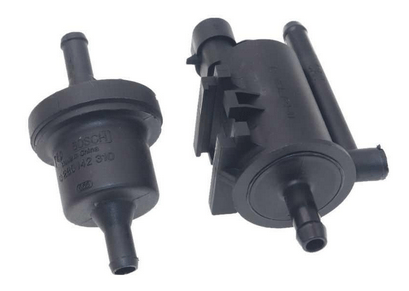
Do Purge Valve Replacement
The canister purge valve is an important component of a car's emission control system, whose primary function is to control the emission of harmful gases in the vehicle's exhaust. The lifespan of a canister typically ranges between 60,000 to 100,000 kilometers, but the exact lifespan also depends on the vehicle's usage, driving environment, and the owner's maintenance habits. If the vehicle is frequently driven in areas with poor air quality or if the owner neglects to maintain the vehicle for a long time, it may shorten its service life. Therefore, it is recommended that car owners maintain their vehicles regularly to extend the lifespan of the canister purge valve and replace it periodically to ensure its proper functioning.
The lifespan of the purge valve is also influenced by the vehicle's usage and driving environment. For instance, if the vehicle frequently operates in high-temperature conditions, it may accelerate the aging of the canister valve, thereby shortening its service life. Additionally, there is no fixed cycle for its lifespan; as long as it is not damaged, there is no need for replacement. If there is really damage, it needs to be replaced, including abnormal conditions such as noise or vibration from the solenoid valve. If such issues are detected, it is advisable to replace the valve promptly to avoid impacting the car's emissions. When replacing the valve, it is recommended to consult an auto parts store of the same brand or an online shopping platform online.
In modern cars, we all hope purge valve can play its best role. So reading all the content about it above is very necessary for car owners. If you want to learn more, remember to bookmark our link.
You May Also Like
How Do I Test a Throttle Position Sensor?

 English