The VSC (Vehicle Stability Control) system is an advanced active safety technology designed to monitor wheel movement and vehicle posture during driving. When the system detects that the vehicle may be losing control or deviating from the driver's intended path, the VSC intervenes quickly by adjusting the engine's power output and the braking force on the wheels to help maintain vehicle stability and prevent skidding or veering off the road. At this time, if the VSC light illuminates, it indicates that the stability control system has detected a fault or abnormal operating condition, which could be due to a problem with the system components or limitations in vehicle dynamic control performance. Here what you should know? And what you should do?
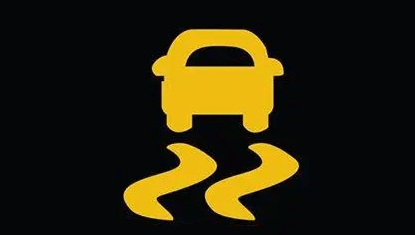
VSC Light Basic
What Does VSC Light Mean on a Car?
If the VSC warning light comes on, the driver should reduce speed and find a safe place to pull over as soon as possible. The VSC system's failure can severely impact vehicle handling, especially in extreme conditions like ice or snow, increasing the risk of skidding and loss of control, which raises the likelihood of traffic accidents. This type of malfunction generally requires a professional automotive technician to diagnose and repair using specialized diagnostic equipment, as it is usually beyond the capability of the vehicle owner to address.
Therefore, when the VSC warning light is illuminated, the driver should immediately take action by having the vehicle inspected and repaired at a professional auto repair shop to ensure the vehicle's safety and stability.
let's get down to the specifics, VSC Light On indicates two scenarios:
1. System Disablement or Failure: The VSC system has been manually disabled or has detected a fault. This could be due to a system malfunction or because the system has been turned off by the driver.
2. System Activation: In some cases, the VSC light may come on when the system is actively engaged to help stabilize the vehicle, especially during sharp turns or slippery conditions.
The VSC light is commonly found in vehicles, especially those from Japanese manufacturers like Toyota and Lexus. It serves as a crucial warning to the driver that there may be an issue with the vehicle's stability or traction control systems, and it is important to have the vehicle checked by a professional to address any underlying problems.
VSC Light: Why It's On & What You Should Do?
Common Causes
If the VSC light on your dashboard is illuminated, it typically indicates that there is an issue with the system. The VSC system helps keep your vehicle stable during slippery conditions or sudden maneuvers by applying brakes to individual wheels and adjusting engine power.
Here are a few common reasons why the VSC light might be on:
1. Traction Control System Issue: The VSC light often comes on if there's a problem with the traction control system, which could be related to sensors or other components.
2. ABS Warning: Sometimes, if there's an issue with the Anti-lock Braking System (ABS), it can trigger the VSC light. Since both systems are connected, a problem with one can affect the other.
3. Faulty Sensors: The VSC system relies on various sensors, such as wheel speed sensors. If one or more of these sensors are malfunctioning, it can cause the VSC light to come on.
4. Brake System Issue: Problems with the brake system, such as low brake fluid levels or worn brake pads, can also trigger the VSC light.
5. System Activation: Sometimes, the VSC light comes on temporarily when the system is actively working, such as during aggressive driving or when driving on slippery surfaces. If it turns off after a short time, it may not be a concern.
If the light remains on or if you notice other issues with your vehicle’s handling or performance, it's a good idea to have your vehicle checked by a mechanic to diagnose and address the problem.
How to Fix?
After analyzing the cause of the light on, here are the steps you should follow:
1. Check Your Car's Manual: Refer to your vehicle's manual for specific instructions tailored to your car model. This can provide guidance on how to reset or address the issue .
2. Stop the Car and Reset the System: If the manual suggests it, you can try to reset the VSC system by stopping the car, putting it in park, and pressing the stability control system reset button .
3. Perform a Diagnostic Scan: It is advisable to have a diagnostic scan performed on your vehicle. This can be done at a certified repair shop. The scan will help identify the specific fault codes and determine the exact cause of the VSC light coming on .
4. Check for Common Causes: Common issues that can cause the VSC light to come on include low tire pressure, battery ground issues, or problems with the steering angle sensor. Ensure that all tire pressures are correct and check for any battery grounding issues .
5. Consult a Professional: If the reset or diagnostic does not resolve the issue, it is important to consult a professional mechanic. Driving with the VSC light on can potentially lead to more serious problems, and a professional can diagnose and fix the underlying issue .
6. Avoid Long Distances: If you must drive the car, do so at a low speed and avoid any conditions that might stress the vehicle's stability control system further .
By following these steps, you can address the VSC light issue effectively and ensure the safety and reliability of your vehicle.
How Do I Turn Off VSC Light in A Car?
If you're looking to turn off the Vehicle Stability Control (VSC) light on your car’s dashboard, it's important to address why the light is on in the first place. The VSC light can indicate various issues with the stability control system or other related systems. Here’s a general approach to handling the VSC light:
1. Check for System Malfunctions
• Consult the Owner’s Manual: Your car’s owner’s manual will provide specific information about the VSC light and how to address it. Look for guidance on what the light indicates and steps to resolve it.
• Verify Fluid Levels: Low brake fluid or other fluid levels can sometimes trigger the VSC light. Check and top off any necessary fluids.
2. Reset the System
• Turn Off the Engine: Sometimes, turning off the engine and restarting the car can reset the system and turn off the VSC light.
• Check the VSC Button: Some vehicles have a button or switch to toggle the VSC system on or off. Pressing this button might turn off the light, but it’s usually for temporary control, not addressing underlying issues.
3. Inspect for Faults
• Check for Other Warning Lights: If other warning lights are on, such as the ABS light, it could indicate a related issue. The VSC system often works in conjunction with the ABS (Anti-lock Braking System).
• Scan for Error Codes: Use an OBD-II scanner to check for error codes. This tool can help diagnose specific problems that might be causing the VSC light to come on.
4. Professional Diagnosis
Visit a Mechanic: If you’ve tried the above steps and the VSC light remains on, or if you’re unsure of what to do, it’s best to consult a professional mechanic. They can perform a detailed diagnostic to identify and fix the issue.
5. Important Notes:
• Safety First: The VSC system helps improve vehicle stability, especially in slippery conditions. It’s generally best to address issues with the system rather than leaving the light on.
• Avoid Disabling: While you might be able to turn off the VSC system temporarily, it's crucial to resolve any underlying issues rather than simply turning off the system.
The VSC light should be turned off by now. However, if the issue continues, there is likely an underlying problem with the vehicle that needs to be addressed. We advise you to seek professional help for a better diagnosis.
VSC on Toyota & Lexus
1. VSC Light and TRAC Off
VSC is a feature that helps you maintain control of your car in challenging situations. The system automatically adjusts the engine, transmission, and brakes as needed. Traction control operates similarly to VSC by adjusting the engine speed and brakes to manage slippage. Traction control helps maintain control of the car during acceleration, but it doesn’t assist with cornering. There is no significant difference in how they work but in when they work.
The TRAC OFF light is a signal in Toyota and Lexus models that tells you if the Traction Control system is on or off. When the light is on, the Traction Control system is turned off. The Traction Control system (TRAC) is an important vehicle feature that helps maintain stability. It prevents the wheels from spinning too much when accelerating, especially on slippery surfaces. There are several possible reasons for the TRAC OFF light to appear. Sometimes, a trigger can be intentional, while other times, it may be a sign of an underlying issue that requires attention.
The vehicle’s VSC and Traction Control (TRAC) systems work together to help prevent the drive wheels from spinning on slick surfaces. There are situations, such as being stuck in mud or snow, where you might need to manually turn these systems off to allow the wheels to spin freely and help the vehicle become unstuck.
2. Where Is VSC Button on Toyota?
The VSC button on a Toyota is typically located on the dashboard, near the area where the driver's knee would be, or near the center console. It might also be found on the lower part of the steering wheel column. In some models, it could be labeled as “VSC” or “VSC Off.”
The exact location can vary depending on the model and year of the Toyota vehicle, so if you’re having trouble finding it, you might want to check your owner’s manual for the specific location in your vehicle.
3. Where Is VSC Button on Lexus?
The VSC light on your Lexus dashboard is a warning indicator that can flash or remain steady, depending on the situation. A briefly flashing light means the Vehicle Stability Control system is actively working to stabilize your vehicle. It should stop flashing once your car regains traction. If the light stays on, it either means the VSC system has been turned off, or that there’s a problem with the system itself. The VSC button on a Lexus vehicle can typically be found in the following locations:
1. On the driver’s side, to the left of the steering wheel - This is a common location for the VSC button across various Lexus models, including the Lexus RX 350 and Lexus ES 350.
2. Near the gear selector or the steering wheel - The VSC button is often located in these areas, which are convenient for easy access.
3. On the dashboard or the center console - Depending on the model and year, the VSC button may be found on the dashboard or the center console of the vehicle.
These locations are designed to be accessible for the driver to operate the VSC system as needed.
4. Car Models that Have VCS System
|
Toyota Cars
|
Lexus Cars
|
|
4Runner
|
ES
|
|
Avalon
|
GS
|
|
Camry
|
GX
|
|
C-HR
|
IS
|
|
Corolla
|
LC
|
|
Highlander
|
LFA
|
|
Land Cruiser
|
LS
|
|
Prius
|
LX
|
|
RAV4
|
NX
|
|
Sequoia
|
RC
|
|
Sienna
|
RX
|
|
Tacoma
|
UX
|
|
Tundra
|
-
|
|
Venza
|
-
|
|
Yaris
|
-
|
Conclusion
The Vehicle Stability Control (VSC) system is a critical part of your car’s safety features. It’s designed to help maintain control of your vehicle in poor driving conditions. Summarize and learn from the above knowledge points, if the VSC light comes on, you might know what it means and what you should do about it.
You May Also Like

 English