In the world of electronics, integrated circuits (ICs) are the backbone of modern technology. They are at the heart of countless devices we use every day, from smartphones and computers to automobiles and home appliances. Integrated circuits have revolutionized the field of electronics by providing compact, efficient, and reliable solutions for complex electronic systems. In this article, we will explore the purpose of integrated circuits and the significant impact they have had on various industries.
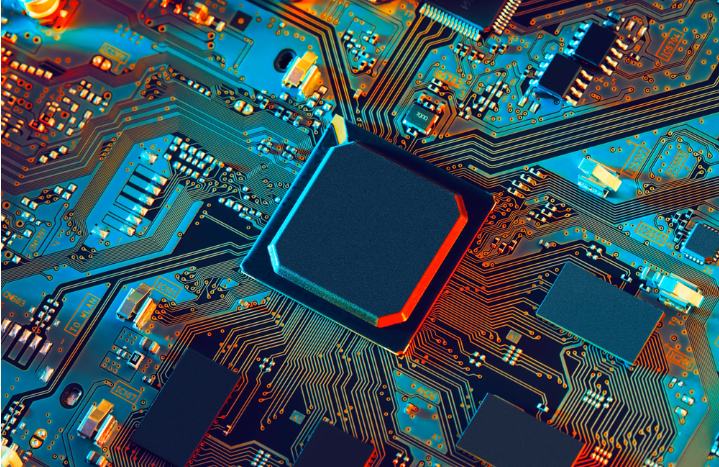
Integrated circuits, also known as microchips or simply ICs, are miniaturized electronic circuits that combine multiple electronic components onto a single semiconductor wafer. These components can include transistors, resistors, capacitors, diodes, and more. The integration of these components onto a single chip offers numerous advantages over traditional discrete circuitry.
One of the primary purposes of integrated circuits is to provide functionality in a compact form factor. By combining multiple components onto a single chip, ICs enable the miniaturization of electronic devices. This miniaturization has been a driving force behind the development of portable devices like smartphones, tablets, and wearables. Integrated circuits allow for high levels of functionality and performance in devices that can fit in the palm of your hand.
Integrated circuits also play a crucial role in improving the performance and efficiency of electronic systems. The close proximity of components on a chip reduces the distance that electrical signals need to travel, minimizing signal degradation and improving speed. This shorter interconnection length results in faster data transfer rates, lower power consumption, and reduced electromagnetic interference. Additionally, ICs can be optimized for specific applications, allowing for better performance and energy efficiency tailored to the needs of the system.
Another purpose of integrated circuits is to increase reliability and reduce the likelihood of failure in electronic systems. Traditional discrete circuitry, with its numerous individual components and interconnections, is more prone to mechanical stress, temperature variations, and other environmental factors. Integrated circuits, on the other hand, have fewer physical connections, reducing the risk of loose connections or broken wires. Furthermore, the manufacturing processes used to create integrated circuits are highly controlled, ensuring consistent quality and reliability.
The versatility of integrated circuits is yet another reason for their widespread use. ICs can be designed to perform a wide range of functions, from simple tasks to complex computations. Whether it's processing data, storing information, controlling signals, or generating audio and video, integrated circuits provide a flexible platform that can be tailored to specific application requirements. This versatility allows for the creation of specialized ICs for different industries, such as automotive, aerospace, telecommunications, healthcare, and many more.
One of the significant advantages of integrated circuits is their scalability. Integrated circuits can be fabricated in various sizes, from small-scale integration (SSI) to large-scale integration (LSI) and very large-scale integration (VLSI). SSI chips typically contain a few tens to a few hundred components, while LSI chips can integrate thousands to tens of thousands of components. VLSI takes integration to an even higher level, with millions or even billions of components on a single chip. This scalability allows for the realization of complex systems in a single chip, leading to higher performance, reduced cost, and increased reliability.
Integrated circuits have also been instrumental in reducing the cost of electronic devices. The mass production and high yield of IC manufacturing processes have significantly lowered the per-unit cost of electronic components. By integrating multiple components onto a single chip, the need for separate discrete components, such as transistors, resistors, and capacitors, is eliminated, reducing material costs and assembly complexity. The cost savings achieved through integrated circuits have made electronic devices more affordable and accessible to a wider range of consumers.
Furthermore, integrated circuits have played a crucial role in advancing digital technology. The exponential growth predicted by Moore's Law, which states that the number of transistors on a chip doubles approximately every two years, has been made possible through the development of integrated circuits. This continuous scaling has led to the rapid increase in computing power, allowing for more complex calculations, faster data processing, and the realization of technologies like artificial intelligence, machine learning, and virtual reality.
In conclusion, the purpose of integrated circuits is to provide compact, efficient, reliable, and versatile solutions for electronic systems. By integrating multiple components onto a single chip, ICs enable the miniaturization of devices, improve performance and efficiency, increase reliability, and reduce costs. The scalability of integrated circuits allows for the realization of complex systems in a single chip, while the continuous advancement of IC technology drives the progress of digital technology as a whole. Integrated circuits have transformed the world of electronics and continue to be the driving force behind innovation in various industries.
When it comes to sourcing integrated circuits (ICs), finding a trustworthy distributor is crucial for ensuring product quality, availability, and exceptional service. KUKE, a reputable IC distributor, has established itself as a leading player in the industry. With a strong reputation built on reliability, extensive inventory, and technical expertise, KUKE is the go-to source for ICs and related electronic components.
Comprehensive IC Inventory
KUKE boasts an extensive inventory of ICs from a wide range of manufacturers, offering customers a diverse selection to meet their specific needs. Whether you require microcontrollers, memory chips, analog or digital ICs, or specialized application-specific integrated circuits (ASICs), KUKE has a comprehensive range of products to cater to various industries and applications.
Quality Assurance
As a trusted distributor, KUKE places great emphasis on the quality and authenticity of the ICs they supply. They work closely with reputable manufacturers and authorized sources, ensuring that the ICs they provide are genuine and meet industry standards. Through stringent quality control processes, KUKE ensures that customers receive reliable and high-performance ICs for their applications.
Technical Expertise
KUKE differentiates itself by offering comprehensive technical expertise and support. Their team of knowledgeable professionals possesses in-depth understanding of ICs and their applications. They are well-equipped to provide guidance and assistance, helping customers select the most suitable ICs for their specific projects.
From identifying suitable replacements for obsolete ICs to offering technical recommendations for new designs, KUKE's team provides tailored solutions. Their expertise encompasses technical specifications, compatibility, and application-specific requirements. By leveraging their industry knowledge, KUKE assists customers in making informed decisions and optimizing their electronic designs.
Customer Service and Collaboration
Exceptional customer service is a core value at KUKE. Their dedicated sales representatives are committed to addressing customer inquiries and requests promptly and professionally. They work closely with customers, understanding their unique requirements, and providing personalized attention and support throughout the purchasing process.
KUKE values collaboration and partnerships with our customers. They actively engage with clients, aiming to understand their goals and align their services accordingly. By fostering strong relationships, KUKE becomes more than just a distributor; they become a trusted advisor and a reliable resource in the realm of ICs and electronic components.

 English