For AC unit, a run capacitor creates a favorable phase shift of the power to get the motor to turn. It is an electrical component used in single-phase AC motors to improve efficiency and performance. Run capacitor helps maintain a constant phase angle between the current and voltage, ultimately allowing the motor to run smoother and cooler. By storing and releasing electrical energy, it enhances torque and reduces energy consumption during operation.
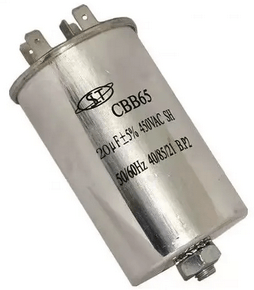
What is Run Capacitor?
Run Capacitor Definition
A run capacitor is a type of capacitor that is connected in series with the motor windings and is designed to provide a phase shift for the current flowing through the motor. This phase shift helps create a rotating magnetic field, which is essential for the motor to start and run efficiently.
Key characteristics of run capacitors include:
1. Continuous Operation: Unlike start capacitors, which are only used temporarily during the motor's startup phase, run capacitors are intended for continuous use while the motor is operating.
2. Capacitance Value: The capacitance value of a run capacitor is selected based on the specific requirements of the motor. It is typically expressed in microfarads (µF).
3. Voltage Rating: Run capacitors are rated for a specific voltage, and it is important to choose a capacitor that can handle the operational voltage of the motor.
4. Durability: Run capacitors are designed to withstand continuous operation and are built to last for many years under normal operating conditions.
5. Types: There are various types of run capacitors, including oil-filled, polypropylene, and electrolytic capacitors, each with different characteristics and applications.
Run Capacitor Working
A run capacitor works by accumulating an energetic charge from its source and storing it. It then releases this charge whenever it is required by the system. In the context of single-phase induction motors, a run capacitor is used to energize the second-phase winding (auxiliary coil) to create a rotating magnetic field while the motor is running. This helps in maintaining the rotation of the motor once it has achieved operating speed.
The run capacitor is designed for continuous duty while the motor is powered, which is why it typically uses low-loss polymer capacitors instead of electrolytic capacitors. It plays a important role in improving the power factor of the motor and enhancing its overall performance.
Run Capacitor Function
For application, run capacitors are commonly found in air conditioning units, heat pumps, and various types of pumps and fans, where they play a crucial role to improve the efficiency and reliability of the motor's operation. Here’s how it works:
1. Phase Shift: The run capacitor creates a phase shift in the voltage supplied to the motor's windings. This helps create a rotating magnetic field, which is essential for the motor's operation.
2. Torque Improvement: By providing additional capacitance, the run capacitor enhances the starting torque and allows the motor to run more smoothly and efficiently.
3. Reduced Power Consumption: It helps minimize energy losses in the motor, making it more energy-efficient.
4. Voltage Stabilization: The capacitor can help stabilize voltage levels, reducing fluctuations that could affect motor performance.
For AC Motors: Run Capacitor vs. Start Capacitor
A start capacitor is an electrical component used in single-phase AC motors to provide an extra boost of energy during startup. It temporarily stores electrical energy and releases it quickly to create a phase shift, helping the motor generate sufficient torque to start. But an AC motor can run without a start capacitor, but it may not start properly or at all if it's designed to use one. Without it, the motor might struggle to reach its operational speed, resulting in reduced performance or overheating. Some motors, like permanent split capacitor (PSC) motors, can operate without a separate start capacitor, as they have a run capacitor that stays connected during operation. Here what is the difference between start capacitor and run capacitor?
The primary difference between a run capacitor and a start capacitor in AC motors lies in their functions and usage:
1. Function
• Run Capacitor: The role of a run capacitor is to maintain the motor's torque and speed once it has started. It continues to be part of the circuit and helps in improving the motor's efficiency by creating a balanced magnetic field. This is crucial for the continuous operation of the motor.
• Start Capacitor: Its main function is to provide a high initial torque to help the motor start. It does this by creating a phase shift in the current, which is necessary for the motor to begin rotating. Once the motor reaches a certain speed, typically around 75% of its rated speed, the start capacitor is disconnected from the circuit to prevent overheating and to allow the motor to run on its own.
2. Usage and Duration in the Circuit
• Run Capacitor: It remains connected to the motor throughout its operation, providing continuous support to maintain the motor's performance and efficiency.
• Start Capacitor: It is used only during the starting phase of the motor and is disconnected once the motor reaches a certain speed. This is often achieved through a centrifugal switch or a relay that automatically opens the circuit once the motor is up and running.
3. Capacitance and Voltage Ratings
• Run Capacitor: Has a lower capacitance value but is rated for higher voltage since it operates continuously. The voltage rating for run capacitors is typically higher to ensure they can handle the continuous operation without failing.
• Start Capacitor: Typically has a higher capacitance value compared to a run capacitor, which is necessary to provide the initial surge of power needed for starting. The voltage rating for start capacitors is generally lower since they are disconnected once the motor starts.
4. Applications
• Run Capacitor: More commonly used in HVAC systems, including air conditioners and furnaces, where efficiency and continuous operation are crucial. It is also used in permanent split capacitor (PSC) motors, which are designed to run more efficiently with a run capacitor.
• Start Capacitor: Commonly used in applications where a high starting torque is necessary, such as in compressors and pumps. It is less common in HVAC systems due to the cost and complexity of installation.
In summary, while both capacitors are essential for the proper functioning of AC motors, they serve different purposes: start capacitors provide the initial boost needed to start the motor, and run capacitors ensure efficient and continuous operation once the motor is up and running.
How to Replace A Bad Run Capacitor Step by Step?
Run Capacitor Failures
When a run capacitor goes bad, the motor may exhibit several issues:
1. Reduced Motor Performance: The motor may experience a decrease in torque and a reduction in speed. This can lead to the motor struggling to start or operate efficiently.
2. Overheating: The motor can overheat due to the capacitor's inability to provide the necessary voltage to the motor. This overheating can cause premature wear and tear on the motor components.
3. Voltage Spikes: The failure of a run capacitor can lead to spikes in voltage, which can damage the motor and other electrical components in the system.
4. Increased Energy Consumption: Due to the reduced efficiency, the motor may consume more energy to operate, leading to higher energy costs.
5. Noise and Vibration: The motor may produce unusual noises or vibrations as it tries to compensate for the lack of proper voltage and torque.
6. System Failure: In severe cases, the failure of a run capacitor can lead to complete system failure, especially if the motor is critical to the operation of a larger system like an air conditioning unit.
7. Reduced Efficiency: The overall efficiency of the system can decrease, affecting the performance and lifespan of the motor and other components.
These symptoms indicate that the run capacitor should be replaced to prevent further damage and ensure the proper functioning of the motor and the system it powers. According to the above mentioned, you can tell whether a run capacitor goes bad or not.
How to Replace Bad Run Capacitor?
Specifications
Replacing a run capacitor is not easy that should be performed by a qualified technician due to the risk of electrical shock and the potential for damaging the air conditioning system. However, for informational purposes, here are the general steps involved in replacing a run capacitor:
Safety Precautions
1. Turn Off Power
Before starting, ensure that the power to the air conditioner is turned off at the circuit breaker or disconnect switch. This is crucial to prevent electrical shock.
2. Discharge the Capacitor
Even with the power off, the capacitor can still hold a charge. Use a screwdriver with an insulated handle to short the terminals of the capacitor to discharge it. Be sure to wear safety glasses and gloves during this process.
Steps to Replace the Run Capacitor
1. Access the Capacitor
• Remove the access panel or cover to the air conditioner's electrical components. This may vary depending on the model and make of the unit.
• Locate the run capacitor, which is typically cylindrical in shape and may be mounted on the side of the unit or within the control panel.
2. Remove the Old Capacitor
• Take note of the wiring configuration. It's helpful to take a photo or make a sketch of how the wires are connected to the capacitor.
• Disconnect the wires from the terminals of the capacitor. Use a screwdriver or nut driver to remove the nuts or clips holding the wires in place.
• If the capacitor is mounted with screws or brackets, remove these to free the capacitor from its mounting location.
3. Select the Correct Replacement Capacitor
• The new capacitor should have the same or higher voltage rating as the old one.
• The capacitance (µF) should be the same as the original capacitor. Using a capacitor with the wrong capacitance can damage the motor or cause the system to operate inefficiently.
• Ensure the physical size and mounting configuration of the new capacitor match the old one to ensure proper fit and installation.
4. Install the New Capacitor
• Mount the new capacitor in the same location as the old one, using the appropriate screws or brackets.
• Reconnect the wires to the new capacitor, following the original wiring configuration. Make sure the connections are secure and tight.
5. Test the System
• Once the new capacitor is installed, turn the power back on at the circuit breaker or disconnect switch.
• Test the air conditioner to ensure it is operating correctly. Listen for any unusual noises and check that the motor is running smoothly.
Additional Tips
1. Safety First:
Always prioritize safety by ensuring the power is off and by discharging the capacitor before handling it.
2. Correct Replacement:
Use a capacitor that matches the specifications of the original to ensure compatibility and performance.
3. Professional Help:
If you are not comfortable performing this task, or if you are unsure about any step, it is best to hire a professional HVAC technician.
By following these steps, you can replace the run capacitor clearly. However, due to the risks involved, it is highly recommended to seek professional assistance for this task.
You May Also Like
Why Using AC-coupling Capacitor in High-speed Differential Interfaces?
14 Applications of Capacitors with Circuit Diagrams | Uses
Filter Capacitor: Uses and Calculation Analyses
Film Capacitor: Basics, Materials, Comparison, Brand
Electrolytic Capacitor Uses Tips and Related Calculations
Capacitor Guide By 5 Aspects You Should Know

 English